Author name: ashleymbc

A cardiologist explains an echocardiogram scan to a patient, highlighting heart rhythm irregularities.
Uncategorized

Heart Attack Rates in Coral Gables: What Residents Need to Know to Stay Heart-Healthy

Understanding Heart Attack Trends in Coral Gables Heart disease remains one of the leading causes of death across Florida, including Coral Gables. While this community is known for its high quality of life, cardiovascular risk factors still affect many residents. Factors such as aging populations, lifestyle habits, and underlying health conditions contribute to heart attack rates in the area. What Is a Heart Attack? A heart attack (myocardial infarction) occurs when blood flow to the heart muscle is blocked, often due to plaque buildup in the arteries. Without immediate treatment, this can cause permanent damage to the heart. Key Risk Factors in Coral Gables Residents may face increased risk due to: High cholesterol levels Hypertension (high blood pressure) Diabetes Sedentary lifestyle Smoking Obesity Family history of heart disease Even in health-conscious communities, these risks can accumulate over time. Warning Signs You Should Never Ignore Recognizing symptoms early can save lives: Chest pain or pressure Pain radiating to the arm, neck, or jaw Shortness of breath Nausea or cold sweats Sudden fatigue If you or someone nearby experiences these symptoms, seek emergency care immediately. Prevention: Protecting Your Heart in Coral Gables Preventive care is essential. Here are practical steps: Maintain a Heart-Healthy Diet: Focus on lean proteins, whole grains, fruits, and vegetables. Stay Physically Active: Aim for at least 150 minutes of moderate exercise per week. Regular Cardiac Screenings: Routine check-ups help detect issues early. Manage Stress: Chronic stress can significantly impact heart health. Control Existing Conditions: Properly manage diabetes, hypertension, and cholesterol. The Importance of Local Cardiology Care Access to specialized cardiac services in Coral Gables allows for early detection and personalized treatment plans. Preventive cardiology plays a critical role in reducing heart attack rates. Conclusion Heart attacks remain a serious concern, even in vibrant communities like Coral Gables. The good news is that many cases are preventable with the right lifestyle choices and medical care. Take proactive steps today to protect your heart and your future.
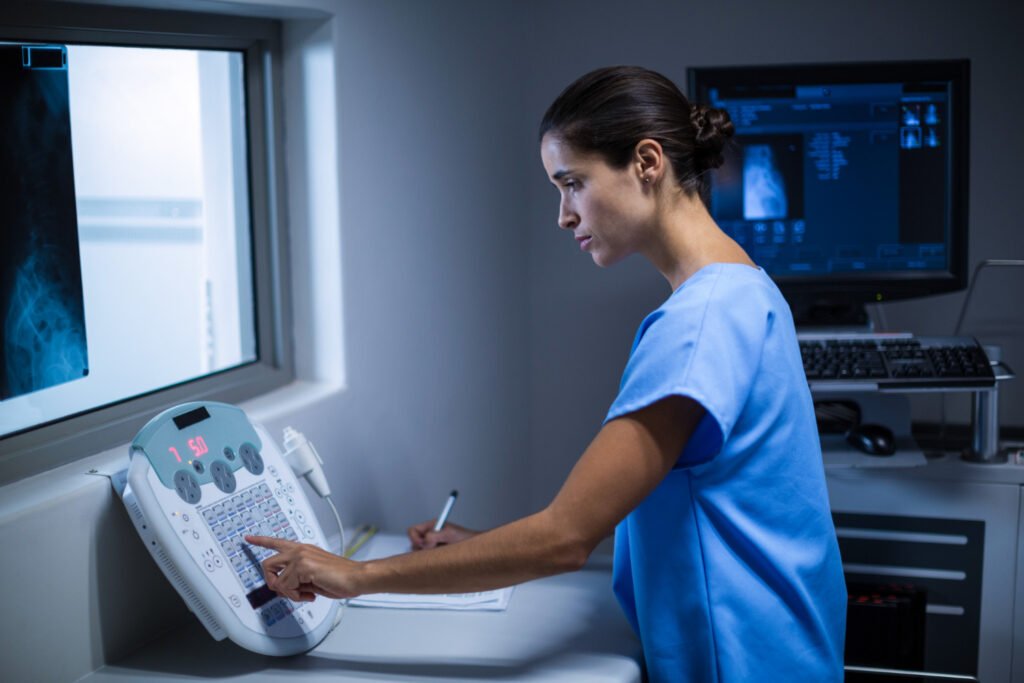
Learn about cardiac arrhythmias, their causes, symptoms, and advanced treatment options available in Coral Gables. Protect your heart health today.
Uncategorized

Understanding Cardiac Arrhythmias: Causes, Symptoms, and Treatment Options in Coral Gables

What Are Cardiac Arrhythmias? Cardiac arrhythmias are irregular heart rhythms that occur when the electrical signals controlling your heartbeat malfunction. This can cause the heart to beat too fast, too slow, or irregularly. While some arrhythmias are harmless, others can lead to serious complications, including stroke or heart failure if left untreated. Common Types of Arrhythmias Atrial Fibrillation (AFib): Rapid, irregular beating of the upper chambers Bradycardia: Slower-than-normal heart rate Tachycardia: Faster-than-normal heart rate Ventricular Arrhythmias: Serious rhythm issues originating in the lower chambers Symptoms to Watch For Many people in Coral Gables and surrounding areas may not notice symptoms immediately. However, common signs include: Palpitations or fluttering in the chest Dizziness or lightheadedness Shortness of breath Chest discomfort Fatigue Fainting (in severe cases) What Causes Arrhythmias? Several factors can increase your risk: High blood pressure Coronary artery disease Diabetes Stress and anxiety Smoking or excessive alcohol intake Electrolyte imbalances Diagnosis and Advanced Cardiac Care in Coral Gables At Global Cardiology Care, patients in Coral Gables benefit from advanced diagnostic tools such as: Electrocardiogram (ECG) Holter monitoring Event recorders Stress testing Early diagnosis is key to preventing complications. Treatment Options Treatment depends on the severity and type of arrhythmia: Lifestyle changes (diet, exercise, stress management) Medications to control heart rhythm Catheter ablation procedures Pacemakers or implantable devices Why Local Cardiac Care Matters Residents of Coral Gables have access to specialized cardiovascular care close to home. Seeking early evaluation from experienced cardiologists can significantly improve outcomes and quality of life. Conclusion Cardiac arrhythmias are common but manageable when diagnosed early. If you experience symptoms, don’t ignore them: timely care can make all the difference.

Learn about cardiac arrhythmias, their causes, symptoms, and advanced treatment options available in Coral Gables. Protect your heart health today.
Uncategorized

Top Cardiology Services in Florida: How Global Cardiology Care Keeps Your Heart Strong

If you’re searching for a trusted cardiologist in Florida who provides personalized care, advanced diagnostics, and evidence-based treatments, you’re in the right place. At Global Cardiology Care, we focus on helping patients throughout Florida manage heart health at every stage of life — from prevention to complex rhythm disorders. 1. Comprehensive Cardiology Consultations Your heart health journey begins with a complete cardiology evaluation. During your initial appointment, we review your medical history, symptoms, and risk factors to create a personalized care plan. Services may include blood pressure monitoring, ECGs (electrocardiograms), echocardiograms, and stress testing. 2. Advanced Arrhythmia Diagnosis & Electrophysiology Care Irregular heart rhythms — such as atrial fibrillation — affect many Floridians, especially as they age. Our electrophysiology expertise allows us to diagnose rhythm issues accurately and recommend the right treatment plan, from medication management to ablation therapy or cardiac devices when appropriate. 3. Cutting-Edge Diagnostic Imaging Diagnostic tools like echocardiograms give us real-time insights into your heart’s structure and function. These non-invasive tests help detect conditions early so you can start effective treatment sooner. 4. Personalized Treatment & Follow-Up Heart care doesn’t stop after your visit — we work with you long-term to monitor progress, adjust treatments, and ensure sustainable wellness outcomes. Our patient-centered approach helps you understand your condition and empowers you to make heart-healthy lifestyle changes. When it comes to cardiology services in Florida, patients deserve providers who blend expertise with personalized attention. At Global Cardiology Care, your heart health is our top priority — from prevention and early detection to advanced rhythm management and ongoing care. 👉 Book an appointment now to experience heart care designed just for you.

A cardiologist explains an echocardiogram scan to a patient, highlighting heart rhythm irregularities.
Uncategorized

Heart Health Trends in Florida in 2026: What Every Patient Should Know

As cardiovascular disease remains one of the top health concerns in Florida, informed patients are taking proactive steps to protect their heart health. At Global Cardiology Care, we’re dedicated to helping patients in Florida understand emerging trends, risk factors, and the best strategies for lifelong cardiac wellness. 1. Heart Disease Is Still a Major Health Issue in Florida Heart disease continues to be a leading cause of death across the state, affecting both urban and rural communities. According to recent health data, thousands of Floridians are hospitalized annually due to heart attacks, coronary artery disease, and heart failure. These numbers highlight the importance of early detection and ongoing management. 2. Many Floridians Underestimate Their Heart Risk A new survey revealed that nearly 1 in 5 adults in Florida are unsure whether they are at increased risk for heart disease — even when common risk factors like high blood pressure, high cholesterol, and sedentary lifestyles are present. This gap between perception and reality makes cardiac screenings and education more crucial than ever. 3. Longevity & Healthy Aging Are Driving Preventive Cardiology Florida residents show strong interest in aging well and maintaining independence as they grow older. Most believe that daily lifestyle habits — like exercise, balanced nutrition, and regular doctor visits — play a major role in heart health. This aligns with our philosophy at Global Cardiology Care of combining personalized care with preventive interventions to keep your heart strong. 4. Personalized Heart Care Improves Outcomes From comprehensive heart evaluations to diagnostic testing and rhythm management, personalized cardiology services help patients identify issues early — often before they become serious. Whether you need a general cardiology consultation or specialized electrophysiology care, our Florida team is here for you. Heart health is a lifelong journey — and in 2026 more Floridians are choosing proactive care over reactive treatment. At Global Cardiology Care, we’re committed to guiding you with expertise, compassion, and the most up-to-date cardiac care available. 👉 Schedule your heart health consultation today and take control of your wellness journey.

Guide

When Should You See a Cardiac Electrophysiologist? Understanding the Signs and What to Expect

Introduction When it comes to heart health, many people are familiar with cardiologists. But if you’re dealing with abnormal heart rhythms or symptoms that suggest a problem with your heart’s electrical system, a cardiac electrophysiologist may be the right specialist for you. In this post, we’ll explore when you should consider seeing one, what they do, and what to expect at your first visit. What Is a Cardiac Electrophysiologist? A cardiac electrophysiologist is a cardiologist who has additional training in the electrical activities of the heart. These specialists diagnose and treat arrhythmias—conditions where the heart beats too fast, too slow, or irregularly. They use advanced diagnostic tools and procedures to pinpoint the source of irregular rhythms and recommend the most effective treatments. Signs It’s Time to See an Electrophysiologist You should consider seeing a cardiac electrophysiologist if you experience any of the following: ● Palpitations (a fluttering or racing heart) ● Fainting spells or dizziness with no clear cause ● Shortness of breath or fatigue that worsens without exertion ● Atrial fibrillation (AFib) or other diagnosed arrhythmias ● Skipped or irregular heartbeats ● Family history of sudden cardiac death or arrhythmia These symptoms can indicate problems with the heart’s electrical pathways and should not be ignored. What to Expect at Your First Visit During your initial appointment, the electrophysiologist will: ● Review your medical history and symptoms ● Perform or order tests such as an Electrocardiogram (ECG), Holter monitor, or Event recorder ● Possibly recommend an Electrophysiology Study (EPS) to map your heart’s electrical system ● Discuss medication, lifestyle adjustments, or procedures like catheter ablation or pacemaker/ICD implantation Takeaway If you’re experiencing symptoms of an arrhythmia or have been referred by your general cardiologist, a cardiac electrophysiologist can offer specialized care. Early diagnosis and treatment can improve your quality of life and reduce the risk of serious complications. If you or a loved one needs answers about irregular heart rhythms, our experienced team is here to help. Schedule a consultation today.

Guide

Understanding Catheter Ablation: A Permanent Solution for Atrial Fibrillation and Other Arrhythmias

Introduction If you’ve been diagnosed with an arrhythmia such as atrial fibrillation (AFib), you may have heard about catheter ablation as a treatment option. This minimally invasive procedure can provide long-lasting relief from irregular heart rhythms, often reducing or eliminating the need for medications. Here’s what you need to know. What Is Catheter Ablation? Catheter ablation is a procedure that treats arrhythmias by destroying the small areas of heart tissue that cause abnormal electrical signals. Using a thin, flexible catheter inserted through a vein (usually in the groin), the electrophysiologist delivers energy—either radiofrequency or cryoablation—to correct the problem. When Is Catheter Ablation Recommended? Your electrophysiologist may recommend ablation if: ● You have AFib or other arrhythmias that don’t respond well to medication ● You experience supraventricular tachycardia (SVT) or atrial flutter ● You want a more permanent solution than long-term drug therapy ● You’ve had side effects from antiarrhythmic medications Common Myths and Facts About Ablation ● Myth: “Ablation is risky.” Fact: It’s generally safe with a low complication rate, especially in experienced hands. ● Myth: “The procedure is painful.” Fact: It’s done under sedation or anesthesia, and most patients feel little to no discomfort. ● Myth: “I’ll still need medication forever.” Fact: Many patients reduce or stop medications after successful ablation. Success Rates and Recovery Depending on the type of arrhythmia, catheter ablation can have success rates of 70% to 90%. Most patients go home the same day or after a short overnight stay. Recovery typically includes: ● Mild soreness at the catheter site ● Limited activity for a few days ● Follow-up with your electrophysiologist for progress checks Conclusion Catheter ablation offers an effective and often permanent solution for people living with heart rhythm disorders. It can significantly improve your quality of life and reduce your risk of stroke or other complications related to AFib and other arrhythmias. If you’re considering catheter ablation or want to learn more about your options, contact our cardiac electrophysiology team today to schedule your personalized consultation.

Guide

A Doctor’s Guide to Living Well

Simple Steps. Lasting Wellness. Living well isn’t about perfection—it’s about making consistent, informed choices that support your body, mind, and spirit. Backed by medical science and real-life experience, this guide offers practical, sustainable advice from doctors who believe that prevention, balance, and self-care are the cornerstones of a healthy life. ???? 1. Nourish with Purpose What you eat plays a huge role in how you feel. A doctor-approved approach focuses on: A colorful, whole-foods-based diet rich in fruits, vegetables, whole grains, and lean proteins Limiting processed foods, added sugars, and excessive sodium Staying hydrated with plenty of water (not just coffee or sodas) Mindful eating—slow down, listen to your body, and stop when you’re full Tip: Follow the 80/20 rule—80% healthy, 20% flexible. Progress beats perfection. ????‍♂️ 2. Move Daily Regular movement is key to disease prevention and mental clarity. Aim for: 30 minutes of moderate activity at least 5 days a week (walking, dancing, biking, etc.) Stretching or yoga to improve flexibility and reduce stress Strength training 2–3 times per week to support metabolism and bone health Remember: Movement doesn’t have to be a workout—gardening, dancing, or playing with your kids all count. ???? 3. Prioritize Sleep Sleep is medicine. Adults need 7–9 hours of restorative sleep each night. A doctor’s tips: Maintain a consistent sleep schedule Limit screens before bed and create a calming bedtime routine Keep your bedroom cool, dark, and quiet Avoid caffeine late in the day Poor sleep has been linked to weight gain, heart disease, anxiety, and poor focus—don’t skip it. ???? 4. Protect Your Mental Health Mental wellness is just as vital as physical health. Support your mind with: Daily mindfulness or meditation (even 5 minutes counts) Social connection—make time for loved ones Setting boundaries and saying “no” when needed Seeking professional help when you’re overwhelmed, anxious, or depressed Doctor’s note: You don’t have to “tough it out.” Asking for help is a strength. ???? 5. Stay Proactive with Checkups Prevention saves lives. Don’t wait for symptoms. Keep up with: Annual wellness exams Blood pressure, cholesterol, and blood sugar screenings Age-appropriate cancer screenings (e.g., mammograms, colonoscopies) Vaccinations and boosters Dental and vision checkups A trusted doctor is your partner in health—build that relationship early.

Scroll to Top