AFib Awareness Month: When an Irregular Heartbeat Needs a Specialist
September is National Atrial Fibrillation Awareness Month, making it the right moment to talk about a symptom many people feel but often minimize: an irregular heartbeat. For some patients, it feels like a flutter. For others, it feels like the heart is racing, skipping beats, pounding at night, or suddenly beating out of rhythm. Many people blame stress, caffeine, dehydration or anxiety. Sometimes they are right. But sometimes, the symptom deserves a closer cardiovascular evaluation. [1][2]
Atrial fibrillation, often called AFib, is one of the most common heart rhythm disorders. It happens when the upper chambers of the heart beat in an irregular and often rapid pattern. AFib can affect how efficiently blood moves through the heart and may increase the risk of stroke, heart failure and other complications when it is not properly diagnosed or managed. [2][3]
Why AFib Awareness Month matters
September brings national attention to atrial fibrillation because many people live with symptoms for months or years before receiving a clear diagnosis. The Heart Rhythm Society recognizes September as AFib Awareness Month and highlights the need for better education, prevention and access to care for people affected by this heart rhythm disorder. [1]
AFib can be especially confusing because it does not always feel the same. Some patients have intense palpitations. Others feel tired, short of breath, lightheaded or unusually weak. Some patients have no obvious symptoms at all and only discover the rhythm problem during a routine exam, EKG, wearable alert or evaluation for another concern. [3]
That is why awareness should not be limited to people who already know they have AFib. It should also reach people who feel something is “off” with their heartbeat but are not sure whether it is serious enough to discuss with a heart specialist.
What can an irregular heartbeat feel like?
An irregular heartbeat can feel different from one person to another. Patients may describe it as fluttering, pounding, skipped beats, a racing heart, a sudden flip in the chest, or an uncomfortable awareness of the heartbeat. Mayo Clinic notes that palpitations can be triggered by stress, anxiety, exercise, stimulants, medications or medical conditions, but evaluation becomes important when symptoms are recurrent, intense or associated with other warning signs. [4]
When should palpitations be evaluated?
Not every palpitation is an emergency, but recurring symptoms should not be dismissed. A medical evaluation is especially important when palpitations happen frequently, last longer than usual, occur at rest, wake the patient from sleep, or appear with chest discomfort, shortness of breath, dizziness, fainting, weakness or unusual fatigue.
Patients should also consider a cardiovascular evaluation if they have high blood pressure, diabetes, sleep apnea, thyroid disease, a history of heart disease, a family history of stroke or heart rhythm disorders, or if they have received an irregular rhythm notification from a smartwatch or wearable device.
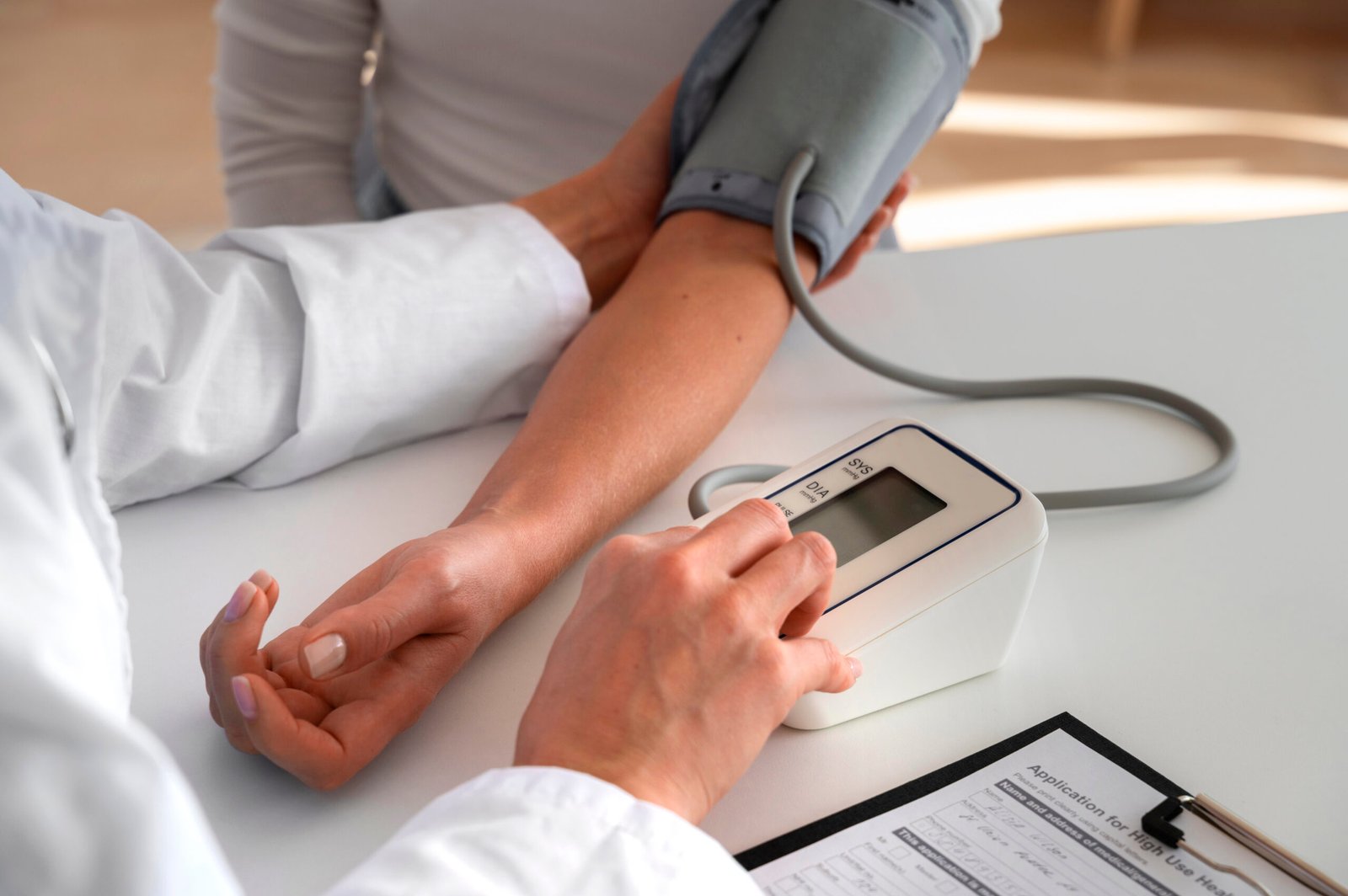
The goal is not to create fear. The goal is to help the patient understand when a symptom deserves clarity. A cardiology visit may include a medical history, physical exam, EKG, blood pressure evaluation, lab review, ambulatory rhythm monitoring or other testing depending on the patient’s symptoms and risk profile.
Why an electrophysiologist may be the right specialist
A cardiologist evaluates the overall health of the heart, including blood pressure, cholesterol, chest pain, prevention, coronary risk and cardiovascular symptoms. An electrophysiologist focuses more deeply on the heart’s electrical system and rhythm disorders such as AFib, supraventricular tachycardia, bradycardia, palpitations and other arrhythmias.
For a patient with unexplained palpitations or suspected AFib, that specialized training can be valuable. It allows the evaluation to go beyond “your heart sounds fine today” and look at whether symptoms may be related to an intermittent rhythm problem that does not always appear during a single office visit.
The connection between AFib, stroke risk and prevention
AFib matters because it is not only about feeling palpitations. The American Heart Association explains that AFib can increase the risk of blood clots, stroke, heart failure and other heart-related complications. This is why timely diagnosis and individualized treatment planning are important. [2]
Risk is not the same for every patient. Age, blood pressure, diabetes, prior stroke, heart failure, vascular disease and other factors can influence the level of concern and the treatment approach. Some patients may need monitoring. Others may need medication, rhythm management or additional procedures. The right plan depends on the full clinical picture.
For patients, the takeaway is simple: if the rhythm feels irregular, repeated or different from what is normal for you, it is worth discussing with a heart specialist.
Local takeaway for Coral Gables and Miami patients
If you live in Coral Gables, Hialeah or the greater Miami area and have noticed palpitations, a racing heartbeat, skipped beats, shortness of breath, dizziness or a smartwatch alert, September is a timely reminder to take your heart rhythm seriously. At Global Cardiology Care, Dr. Paloma Piña provides cardiovascular and electrophysiology care for patients seeking answers, prevention and a clear plan.
If you have experienced palpitations, irregular heartbeat or concerns about AFib, schedule an evaluation with Global Cardiology Care in Coral Gables. A heart rhythm evaluation can help you understand what is happening and what steps may be appropriate for your health.
Sources and combined citation notes
[1] Heart Rhythm Society – AFib Awareness Month. Used to support the September awareness angle and heart rhythm education focus. https://www.hrsonline.org/afib-awareness-month/
[2] American Heart Association – What is Atrial Fibrillation? Used for AFib definition and risk context. https://www.heart.org/en/health-topics/atrial-fibrillation/what-is-atrial-fibrillation-afib-or-af
[3] American Heart Association – Symptoms of Atrial Fibrillation. Used for patient-facing symptom language and AFib symptom framing. https://www.heart.org/en/health-topics/atrial-fibrillation/what-are-the-symptoms-of atrial-fibrillation
[4] Mayo Clinic – Heart palpitations: Symptoms and causes. Used for common palpitation triggers and patient symptom education. https://www.mayoclinic.org/diseases-conditions/heart-palpitations/symptoms-causes/ syc-20373196