High Blood Pressure and Cholesterol: The Silent Heart Risks You Should Not Ignore
Many people think about their heart only when they feel chest pain, shortness of breath, or a sudden warning sign. But some of the most important cardiovascular risks can develop quietly for years before symptoms appear.
High blood pressure and high cholesterol are two of the most common examples. They may not cause obvious discomfort at first, but over time they can place stress on the heart, blood vessels, brain, kidneys, and overall circulation.
That is why preventive cardiology matters. A heart evaluation is not only for people who already feel sick. It is also for people who want to understand their risk before a serious event happens.
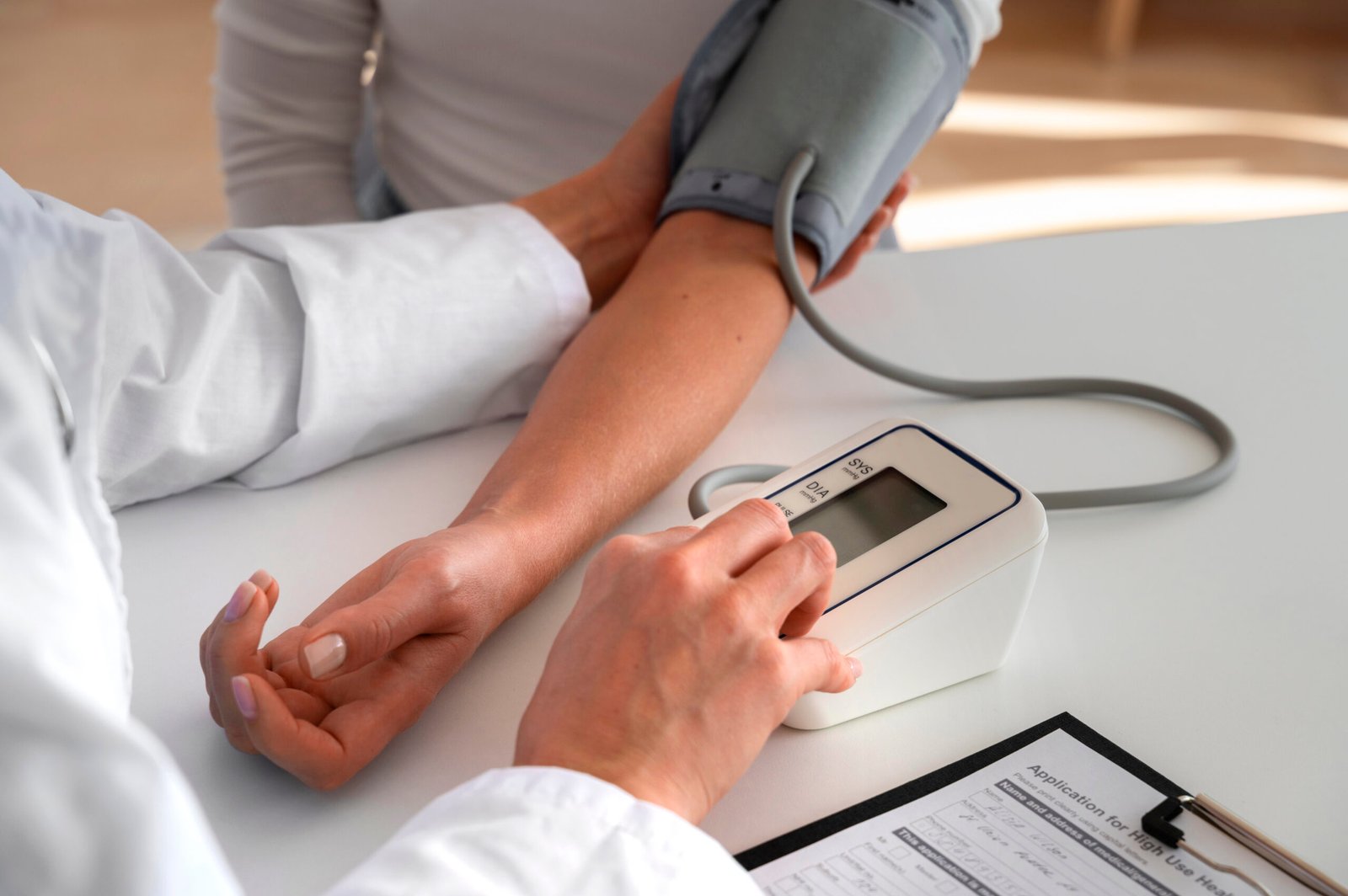
Why High Blood Pressure Can Be Dangerous Even When You Feel Fine High blood pressure, also called hypertension, happens when the force of blood pushing against the artery walls remains higher than it should be. The heart has to work harder, and the arteries are exposed to more pressure over time.
One of the reasons hypertension is so important is that many people do not feel symptoms. A person can go to work, exercise, travel, or live normally while their blood pressure is quietly increasing cardiovascular risk.
Over time, uncontrolled high blood pressure may contribute to heart attack, stroke, heart failure, kidney disease, vascular damage, and enlargement or thickening of the heart muscle. It can also make other cardiovascular problems more difficult to manage.
This is why a single high reading should not be ignored, especially if readings remain elevated at home, at the pharmacy, or during medical visits. The goal is not to create fear. The goal is to identify risk early enough to act.
What Cholesterol Has to Do With Your Heart
Cholesterol is a fatty substance that the body needs for normal function. However, when certain types of cholesterol or lipoproteins are elevated, they can contribute to plaque buildup inside the arteries.
Low-density lipoprotein cholesterol, often called LDL or “bad cholesterol,” is one of the main markers used to evaluate risk for atherosclerotic cardiovascular disease. When plaque builds up inside the arteries, blood flow can become limited, and the risk of heart attack or stroke can increase.
Modern cholesterol care is no longer only about looking at one number. Cardiovascular risk may involve LDL cholesterol, non-HDL cholesterol, triglycerides, lipoprotein(a), apolipoprotein B, family history, blood pressure, diabetes, age, smoking history, and other risk factors.
For some patients, cholesterol levels may appear only moderately elevated, but their overall risk may be higher because of family history, hypertension, diabetes, inflammatory conditions, previous cardiac symptoms, or other factors. This is why a cardiology evaluation can help place the numbers into context.
Why “I Feel Fine” Is Not Always Enough
Feeling well is important, but it does not always mean that cardiovascular risk is low. Many patients with high blood pressure or high cholesterol do not experience warning symptoms until the disease process has progressed.
This is especially true for people with a family history of heart disease, diabetes, obesity, kidney disease, smoking history, sleep apnea, chronic stress, or a history of abnormal labs. Some patients also develop cardiovascular risk earlier than they expect, particularly when several risk factors appear together.
A preventive heart evaluation can help answer questions such as: Is my blood pressure truly controlled? Is my cholesterol putting me at risk? Do I need additional testing? Should my medication plan be adjusted? Do I need lifestyle changes, further monitoring, or a more complete cardiovascular risk assessment?
When Should You See a Cardiologist for Blood Pressure or Cholesterol? You may benefit from a cardiology evaluation if you have:
Repeated blood pressure readings above your recommended range
High LDL cholesterol, high triglycerides, or abnormal lipid results
A family history of heart attack, stroke, arrhythmia, or early heart disease
Diabetes, prediabetes, obesity, kidney disease, or sleep apnea
Chest pressure, shortness of breath, dizziness, fatigue, or palpitations
A history of smoking or significant stress
Questions about whether you should be taking cholesterol or blood pressure medication A desire to understand your cardiovascular risk before symptoms appear
What a Cardiovascular Risk Evaluation May Include
A thoughtful cardiovascular evaluation is not only a quick look at numbers. It includes the patient’s history, symptoms, family history, lifestyle, medications, blood pressure pattern, cholesterol profile, and risk factors.
Depending on the patient, the evaluation may include an electrocardiogram, blood pressure review, lipid panel interpretation, risk calculation, medication review, lifestyle counseling, and additional testing when clinically appropriate. The purpose is to determine whether the heart and circulation are under stress and what steps can reduce risk.
In some patients, a cardiologist may also consider whether further evaluation is needed for chest discomfort, exertional symptoms, abnormal heart rhythm, shortness of breath, or other cardiovascular concerns.
Prevention Is Not About Waiting for a Crisis
One of the most valuable parts of cardiology is prevention. Many cardiovascular events are connected to risk factors that can be identified, monitored, and managed before they become emergencies.
Lowering blood pressure, improving cholesterol, supporting metabolic health, staying physically active, managing weight, improving sleep, and following the right medical plan can all play a role in long-term heart protection.
The most effective plan is not the same for every patient. Some people need medication. Others need monitoring, lifestyle support, further testing, or a combination of approaches. The right plan depends on the full clinical picture.
The Takeaway
High blood pressure and high cholesterol are common, but they should not be treated as minor details. They are two of the most important silent risk factors for cardiovascular disease.
If you have been told your blood pressure or cholesterol is high, or if heart disease runs in your family, this may be the right time to understand your risk more clearly.
At Global Cardiology Care in Coral Gables, Dr. Paloma Piña provides specialized cardiovascular care focused on prevention, heart rhythm concerns, risk evaluation, and patient-centered guidance. A clear evaluation can help you understand where you stand and what steps may protect your heart over time.